Stroke
Stroke: Understanding, Managing, and Recovery
Description
A stroke happens when the blood flow to your brain suddenly stops or gets blocked. Your brain needs a constant supply of oxygen-rich blood to work properly. When this supply is cut off, even for a few minutes, brain cells start to die. This is a serious medical emergency that needs immediate attention.
Think of your brain like a house that needs electricity running through it all the time. A stroke is like when someone suddenly turns off the power. The longer the power stays off, the more damage happens inside the house. That’s why doctors say “time is brain” when it comes to strokes. The faster you get help, the better the chances of recovery and preventing long-term damage.
Types of Stroke
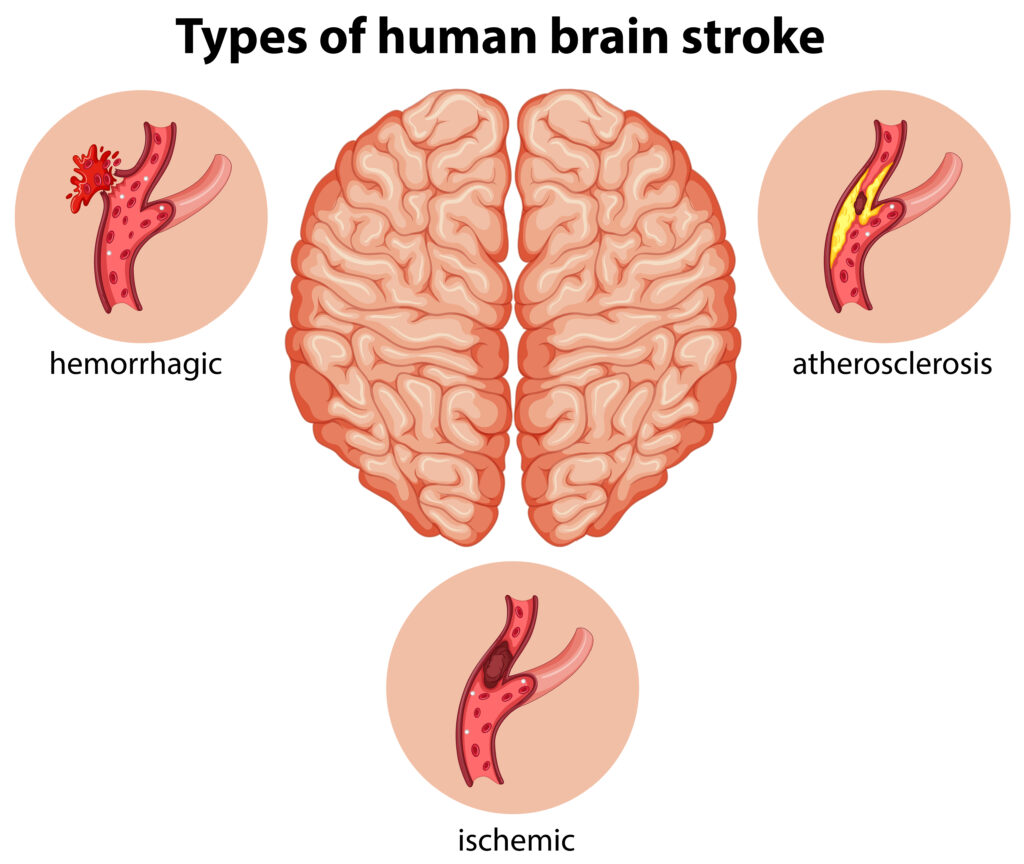
There are two main types of strokes, and understanding the difference is important:
| Type | What Happens | Percentage of Strokes |
|---|---|---|
| Ischemic Stroke | A blood clot blocks an artery in the brain, cutting off blood flow | 87% of all strokes |
| Hemorrhagic Stroke | A blood vessel in the brain bursts or leaks, causing bleeding | 13% of all strokes |
Both types are serious and need emergency care right away. According to the CDC, every 40 seconds, someone in the United States has a stroke.
Causes
Understanding what causes a stroke can help you prevent one from happening to you. Most strokes happen because of problems with blood flow in your body. Let’s explore the most common causes:
Blood Clots and Heart Problems
The most common cause is when a blood clot forms and travels through your arteries until it gets stuck in a vessel in your brain. This clot usually starts somewhere else in your body, often in the heart or a larger artery. According to Mayo Clinic, sometimes these clots form because of irregular heartbeats or heart rhythm problems. If you have a condition where your heart doesn’t beat steadily, you should talk to your doctor about preventing clots.
High Blood Pressure
High blood pressure is another major cause of strokes. When your blood pressure stays high for a long time, it puts extra stress on the walls of your blood vessels. This can weaken them and make them more likely to burst or get blocked. This is why checking your blood pressure regularly is so important. Managing blood pressure is one of the most effective ways to prevent stroke.
Smoking and Tobacco Use
Smoking damages your blood vessels and makes your blood more likely to clot. Every time you smoke, you’re putting your brain at risk. According to data from Healthline, quitting smoking is one of the best things you can do for your brain health. Even if you’ve smoked for many years, stopping now will reduce your stroke risk significantly.
Diabetes and Blood Sugar Control
Diabetes affects how your body processes sugar and can damage your blood vessels over time. If you have diabetes, managing your blood sugar levels is crucial for protecting your brain. High blood sugar over a long period damages the lining of your blood vessels, making them weaker.
High Cholesterol
High cholesterol is dangerous because it can build up inside your arteries, making it harder for blood to flow through. Keeping your cholesterol in a healthy range helps protect you from strokes. Cholesterol buildup can form plaques that eventually break apart and cause clots.
Weight and Obesity
Obesity puts extra strain on your heart and blood vessels. Carrying extra weight makes your heart work harder and increases your risk of high blood pressure and diabetes. Regular physical activity and a healthy diet can help you maintain a healthy weight and reduce your stroke risk significantly.
Genetic and Family Factors
Some people are born with conditions that make them more likely to have strokes. If stroke runs in your family, it’s especially important to manage other risk factors and see your doctor regularly for check-ups.
Symptoms
Recognizing the signs of a stroke quickly is life-saving. When someone has a stroke, the symptoms usually appear suddenly. The key is to notice them right away and call for emergency help immediately.
The FAST Method – Know What to Look For
One of the easiest ways to recognize a stroke is to remember the word “FAST.” This simple tool helps you spot the warning signs in minutes:
| F | Face Drooping | Look at the person’s face and ask them to smile. If one side of their face droops or looks uneven, that’s a warning sign. |
|---|---|---|
| A | Arm Weakness | Ask the person to raise both arms. If one arm drifts downward or feels weak, that’s another sign of stroke. |
| S | Speech Difficulty | Ask them to say a simple sentence. If their words come out slurred or they sound confused, that could be a stroke symptom. |
| T | Time to Call for Help | If you notice any of these signs, call emergency services right away. Don’t wait to see if the symptoms go away on their own. Every minute counts when someone has a stroke. |
Learn more about the FAST method from the American Stroke Association to be fully prepared.
Other Warning Signs to Watch For
Beyond these main signs, there are other symptoms you should watch for:
Sudden numbness or weakness on one side of your body, including in your legs, hands, or feet
Vision problems – blurred vision or trouble seeing in one or both eyes
Speech and language issues – trouble finding the right words or can’t speak in complete sentences
Balance and coordination – sudden dizziness or feeling very unsteady on your feet
Severe headache – a sudden, severe headache that’s different from any headache you’ve had before
Memory loss or confusion – sudden confusion about where they are or what’s happening
Trouble walking or loss of balance and coordination
Trust your instincts. If something doesn’t feel right and these symptoms appear suddenly, call for emergency help right away. According to Healthline, the first few hours after a stroke are critical for treatment effectiveness.
How It Is Treated
Treatment for a stroke depends on the type and how quickly you get help. The most important thing is getting to a hospital as fast as possible. Doctors have medicines and procedures that can help, but they only work within specific time windows.
Emergency Treatment for Ischemic Stroke
For ischemic strokes (the kind caused by blood clots), doctors can give medicine called thrombolytics to break up the clot and restore blood flow to your brain. According to recent research on thrombolytic therapy, these medicines work best when given within 3 to 4.5 hours of the stroke starting.
The most commonly used medication is:
Tissue Plasminogen Activator (tPA or Alteplase) – breaks up blood clots by activating the body’s natural clot-dissolving system
Some hospitals can also use a special procedure called mechanical thrombectomy, where doctors thread a tiny tube through your arteries to physically remove the clot directly from your brain. This can be done even after the medicine window has passed in some cases.
Hospital Evaluation and Testing
Once you’re in the hospital, doctors will run tests to figure out exactly what kind of stroke you had and what caused it. These tests help them create the right treatment plan for you:
CT or MRI scans – imaging to see what’s happening in your brain
Heart monitoring and tests – to check if there are heart problems causing clots
Blood tests – to check your cholesterol, blood sugar, and other important markers
Ultrasound or angiography – to look at your blood vessels and see where blockages might be
Hemorrhagic Stroke Treatment
For hemorrhagic strokes (the kind where a blood vessel bleeds), treatment focuses on stopping the bleeding and reducing pressure in the brain. Doctors might give medicines to control your blood pressure and help your blood clot properly. In some cases, surgery might be needed to repair the damaged blood vessel.
Prevention of Another Stroke
During your hospital stay, the medical team will help prevent another stroke from happening. They’ll likely give you medicines like blood thinners or aspirin to prevent clots from forming again. They’ll check your blood pressure regularly and help manage any other conditions you have.
Recovery and Rehabilitation
After the emergency phase, rehabilitation becomes really important. The sooner you start rehabilitation after a stroke, the better your chances of recovery.
Early Rehabilitation Starts Quickly
Many hospitals start helping patients move and do simple exercises within 24 to 48 hours after the stroke. Your rehabilitation team includes specialists who each play an important role:
| Specialist | What They Help With |
|---|---|
| Physical Therapist | Walking, balance, strength, and moving around safely |
| Occupational Therapist | Daily activities like dressing, eating, and personal care |
| Speech Therapist | Speech, swallowing, and communication if affected by stroke |
| Neuropsychologist | Cognitive recovery, memory, and emotional health |
Recovery Timeline
The recovery process takes time and patience. Each person recovers differently depending on which part of the brain was affected and how severe the stroke was. According to information from Mayo Clinic:
Some people recover most of their abilities within weeks
Others need months of rehabilitation to regain their skills
Many continue to improve for months or even years after a stroke
The key is staying committed to your rehabilitation exercises and working closely with your medical team.
Post-Stroke Complications to Be Aware Of
Some stroke survivors experience complications during recovery. One important complication to watch for is post-stroke depression, which is common and treatable. According to research on managing post-stroke depression, approximately 1 in 3 stroke survivors experience depression. Symptoms include persistent sadness, loss of interest in activities, fatigue, and difficulty concentrating. If you or a loved one experiences these symptoms, talk to your doctor – treatment is available and can improve recovery outcomes.
Prevention and Lifestyle Changes
You can do a lot to prevent a stroke from happening. Many strokes are preventable by making smart choices about your health and lifestyle.
Key Lifestyle Changes for Stroke Prevention
Blood Pressure Management
Managing your blood pressure is one of the most important things you can do. If you have high blood pressure, work with your doctor to get it under control. This might mean:
Taking medicine as prescribed
Eating less salt
Managing stress
Staying physically active
Quit Smoking
If you smoke, quitting is one of the best decisions you can make for your brain. Smoking directly damages your blood vessels and makes clots more likely to form. There are many resources available to help you quit, and your doctor can recommend programs that work. According to Healthline’s guide on smoking cessation, quitting even after years of smoking significantly reduces stroke risk.
Regular Exercise
Exercise is powerful medicine for stroke prevention. Regular physical activity improves your circulation and helps keep your blood vessels healthy. Aim for at least 150 minutes of moderate activity each week, like:
Brisk walking
Cycling
Swimming
Dancing
Any activity that gets your heart pumping
Even small amounts of movement throughout your day add up and help protect your brain. If you haven’t been active, start slowly and gradually increase how much you exercise. Talk to your doctor before starting a new exercise program, especially if you have other health conditions.
Healthy Diet
Your diet plays a huge role in stroke prevention. Try to eat:
Foods to Include:
Lots of vegetables and fruits (especially leafy greens, berries, and citrus)
Whole grains instead of white bread and rice
Lean proteins like chicken, fish, and beans
Healthy fats from fish, nuts, and olive oil
Foods rich in omega-3 fatty acids, which are good for your heart and brain
Foods to Limit:
Salt and high-sodium foods
Sugar and sugary drinks
Foods high in saturated fat
Processed foods
Stay hydrated by drinking plenty of water throughout the day. This helps keep your blood at a healthy thickness. For more detailed information about diet and blood clot prevention, talk to your doctor or a nutritionist.
Diabetes Management
If you have diabetes, keeping your blood sugar under control is essential. Work with your doctor to manage your diabetes with medicine, diet, and exercise. High blood sugar over time damages your blood vessels and increases stroke risk.
Cholesterol Control
High cholesterol is dangerous for your brain. If your cholesterol is elevated, your doctor can help you lower it through diet, exercise, or medicine. Keeping cholesterol in a healthy range protects your blood vessels from damage.
Healthy Weight
Maintaining a healthy weight reduces your risk of stroke and many other health problems. If you’re overweight, even losing 5 to 10 percent of your body weight can make a real difference in your health.
Stress Reduction
Chronic stress can increase your blood pressure and raise your risk of stroke. Find activities that help you relax, whether that’s:
Yoga or meditation
Spending time in nature
Creative hobbies
Time with loved ones
Music or art
Sleep Quality
Getting enough sleep is crucial for brain health. Most adults need 7 to 9 hours of sleep each night for their bodies and brains to function properly. Poor sleep quality increases stroke risk.
Limit Alcohol
Drinking alcohol in moderation, if at all, is important for stroke prevention. Too much alcohol can raise your blood pressure and affect your heart rhythm.
When and Why You Should Consult a Neurologist
A neurologist is a doctor who specializes in conditions affecting the brain and nervous system. They have special training to diagnose and treat strokes and help prevent them from happening again.
You Should See a Neurologist If:
You’ve Had a Stroke or TIA
You should see a neurologist if you’ve had a stroke or a TIA (which is sometimes called a mini-stroke or warning stroke). A TIA happens when blood flow to your brain is blocked for only a short time, and the symptoms go away on their own. Even though the symptoms go away, a TIA is a serious warning sign that you’re at risk for a full stroke. According to American Stroke Association resources, a neurologist can help figure out what caused your TIA and what you can do to prevent a real stroke.
You Have Multiple Risk Factors
You should also consider seeing a neurologist if you have multiple risk factors for stroke. If you have high blood pressure, diabetes, high cholesterol, heart problems, or a family history of stroke, a neurologist can help you develop a plan to reduce your risk. They can review your current medicines and lifestyle habits to see if there’s more you can do to protect your brain.
You’re Experiencing Stroke Symptoms
If you experience any sudden symptoms that might be a stroke, go to the emergency room immediately. Don’t drive yourself or wait to call for help. Call emergency services right away. Time is critical in stroke treatment. After you’re treated in the emergency room, your doctor might refer you to a neurologist for follow-up care and to help prevent another stroke.
You’re Recovering from a Stroke
A neurologist can also help if you’re recovering from a stroke. They work with physical therapists, speech therapists, and occupational therapists to create a rehabilitation plan tailored to your specific needs. They monitor your progress and adjust your treatment plan as needed.
Regular Neurologist Follow-Up Is Important
Regular check-ups with a neurologist are important if you’ve had a stroke or TIA. They can make sure your medicines are working properly and adjust them if needed. They can also help manage any side effects or complications that come up during your recovery. Most importantly, they’re focused on making sure you don’t have another stroke.
A neurologist will help you understand:
Your stroke risk factors
What medicines you should take
Lifestyle changes that matter most for you
Warning signs to watch for
When to seek emergency care
Key Statistics You Should Know
Understanding stroke’s impact can motivate you to take prevention seriously:
Every 40 seconds, someone in the United States has a stroke
Every 3 minutes and 14 seconds, someone dies of stroke
795,000 people have a stroke every year in the US
87% of all strokes are ischemic strokes (caused by clots)
38% of hospitalized stroke patients are less than 65 years old – strokes can happen at any age
Stroke reduces mobility in more than half of survivors age 65 and older
Nearly 1 in 4 strokes happen in people who have had a previous stroke
These numbers show why prevention is so important. Taking action now to protect your brain health today can literally save your life tomorrow.
Frequently Asked Questions
A TIA (transient ischemic attack) is like a warning stroke. The blood flow to your brain is blocked, but only for a short time. The symptoms come on suddenly, just like a real stroke, but they usually go away within minutes to hours. A full stroke causes lasting damage to brain cells. A TIA doesn’t cause permanent brain damage, but it’s a serious warning that you need to talk to your doctor about preventing a real stroke. Even though TIA symptoms go away, you should treat it like an emergency and get medical attention right away.
Recovery time is different for everyone. Some people start feeling better within days or weeks. Others need months of rehabilitation to regain their abilities. The amount of recovery depends on how severe the stroke was and which part of the brain was affected. The good news is that with proper rehabilitation and care, many people continue to improve for months or even years after a stroke. Starting rehabilitation early gives you the best chance of recovery.
Yes, people who have had one stroke are at higher risk of having another one. That’s why managing your risk factors and taking your medicines as prescribed is so important. Working closely with your doctor and a neurologist can help you prevent another stroke. Many people do have successful, full recoveries and go on to live healthy lives after a stroke if they make the right lifestyle changes and follow their doctor’s recommendations.
Most people who have had a stroke take blood-thinning medicines like aspirin or warfarin to prevent another clot from forming. Your doctor might also prescribe medicines to control your blood pressure or cholesterol. If you had a hemorrhagic stroke, your medicines might be different. It’s important to take all your medicines exactly as prescribed and talk to your doctor before stopping any of them. Don’t skip doses, and let your doctor know if you’re having side effects.
Foods that are good for your heart are also good for your brain and help prevent stroke. Eat lots of vegetables and fruits, especially leafy greens, berries, and citrus fruits. Choose whole grains instead of white bread and rice. Include sources of healthy fats like fish, nuts, and olive oil. Limit salt, sugar, and foods high in saturated fat. Thinking of it as eating a colorful, balanced diet with lots of whole foods and fewer processed foods is the best approach.
Yes, exercise is one of the most powerful things you can do to prevent a stroke. Regular activity keeps your heart strong, helps maintain a healthy weight, and keeps your blood pressure in check. You don’t need to run marathons. Even a 30-minute walk most days of the week makes a huge difference. If you haven’t been active, start slowly and gradually increase how much you exercise. Talk to your doctor before starting a new exercise program, especially if you have other health conditions.
Call emergency services right away. Don’t wait to see if the symptoms go away. Don’t drive the person to the hospital yourself. Emergency responders are trained to provide immediate care and get the person to the right hospital quickly. Tell them you think the person is having a stroke. Note the time when the symptoms started, because this helps doctors know what treatment options are available. Stay calm and reassuring while waiting for help. Getting emergency care within the first few hours makes a huge difference in outcomes.
Yes, strokes can happen at any age, even to young and middle-aged people. While strokes are more common as people get older, younger people can have them too. Young people might have strokes due to heart problems, blood clotting disorders, or drug use. If you’re young and experiencing stroke symptoms, don’t assume it can’t be a stroke. Get emergency care right away. The same applies if you have risk factors like high blood pressure, diabetes, or a family history of stroke, even if you’re young.
Rehabilitation involves working with a team of specialists who help you relearn skills and regain independence. Physical therapists help with movement and walking. Speech therapists help with talking and swallowing. Occupational therapists help with daily activities like dressing and eating. The team creates a plan based on your specific needs. Rehabilitation takes hard work and patience, but it gives your brain the best chance to recover. Many people are surprised at how much they can improve with dedicated rehabilitation.
The most important thing is to be patient and encouraging. Recovery takes time, and the person might feel frustrated or emotional. Help them stick to their rehabilitation exercises and medicine schedule. Encourage them to stay active and make healthy lifestyle changes. Listen to their concerns and help them talk to their doctor about any problems. Let them know you believe in their recovery. Small gestures like spending time together and helping with daily tasks can make a real difference in their emotional recovery.
Learn More and Take Action
If you’re concerned about your stroke risk or have had a stroke or TIA, start by taking action today. Visit the American Stroke Association for reliable information about stroke prevention and recovery. They have resources to help you understand your risk and make healthy changes. The National Institutes of Health (NIH) also provides comprehensive stroke information and research updates. Mayo Clinic offers detailed information about stroke symptoms, treatment options, and recovery. For understanding post-stroke rehabilitation options, speak with your healthcare team about what works best for you.
Schedule a check-up with your doctor to discuss your health and any concerns you have. Be honest about your symptoms, your family history, and your lifestyle habits. Your doctor can help determine if you need to see a specialist like a neurologist.
Your Next Steps with NeuroLogic Neurocare
Dr. Mohammed Imran Khan at NeuroLogic Neurocare is ready to help you understand your risk factors and create a prevention plan. If you’ve experienced a stroke or warning signs, get emergency care immediately and then schedule a follow-up consultation for specialized neurological care.
Learn more about Dr. Khan’s approach to neurological care on the about page. Explore all of the treatments we offer at NeuroLogic Neurocare on our treatments page.
Ready to take control of your brain health? Book your appointment with Dr. Khan today and start your journey toward better brain health. Have questions? Visit our contact page or reach out directly – we’re here to help.
Visit our home page to learn more about NeuroLogic Neurocare and how we can support your neurological health.
Taking steps now to protect your brain health today can literally save your life tomorrow. Don’t wait for a stroke to happen. Your brain is worth it.