Epilepsy
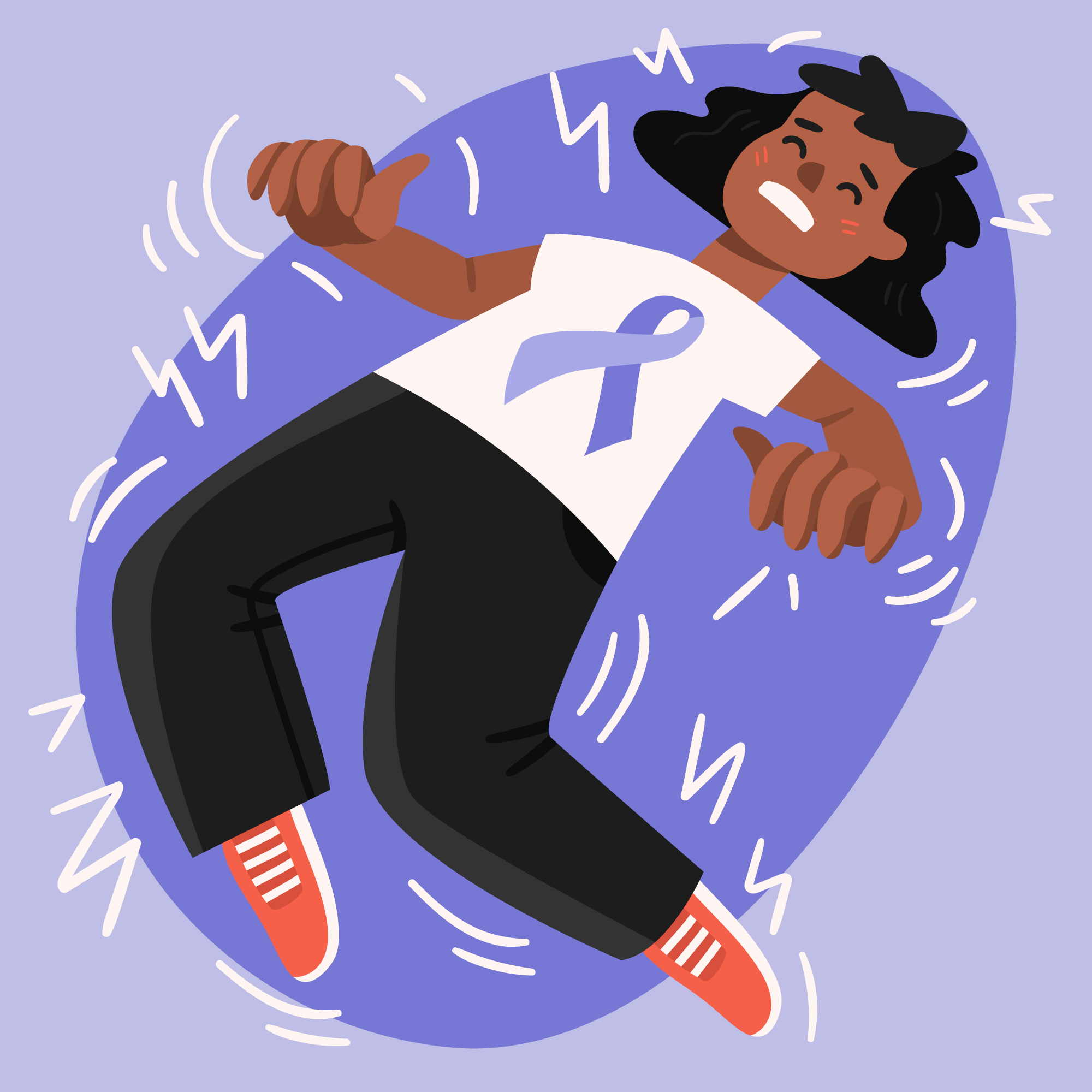
Epilepsy: Understanding, Living With, and Managing Seizures
Description
Epilepsy is a neurological condition characterized by repeated, unprovoked seizures. A seizure is a sudden burst of electrical activity in the brain that causes temporary changes in how the brain works. These electrical disturbances can affect how a person moves, behaves, thinks, or feels. What makes epilepsy different from having a single seizure is that it involves a lasting tendency to have seizures repeatedly over time.
Think of your brain like an electrical system that normally runs smoothly. In epilepsy, that electrical system occasionally malfunctions and sends out abnormal signals. This causes the brain to work differently for a few seconds or minutes, resulting in a seizure. The good news is that up to 70% of people living with epilepsy could become seizure-free with appropriate use of antiseizure medicines, according to the World Health Organization.
Epilepsy is one of the most common neurological conditions worldwide. It affects people of all ages, backgrounds, and walks of life. It’s not contagious, and it’s not a mental illness. With proper diagnosis, treatment, and lifestyle adjustments, most people with epilepsy can live full, productive lives.
Types of Epilepsy
Epilepsy is classified based on where seizures start in the brain and what happens during the seizure. Understanding the type of epilepsy you or a loved one has is important for treatment planning.
| Seizure Category | Characteristics | Types |
|---|---|---|
| Focal Seizures | Seizures that start in one specific area of the brain | Focal aware (person is conscious), Focal impaired awareness (person is confused or unaware) |
| Generalized Seizures | Seizures that involve the whole brain at once | Tonic-clonic, Absence, Atonic, Myoclonic |
Focal seizures affect only one part of the brain, so symptoms may be limited to one side of the body or specific functions. Generalized seizures involve the entire brain and typically cause more noticeable symptoms affecting both sides of the body.
Signs and Symptoms of Epilepsy
The signs of epilepsy vary widely depending on the type of seizure and which part of the brain is affected. Recognizing these signs is crucial for getting timely treatment.
Common Seizure Symptoms
The symptoms you might notice depend on the type of seizure occurring. Here are the most common warning signs:
Before a Seizure (Aura)
Some people experience warning signs before a seizure happens. This warning period is called an aura and might include:
Sudden tingling or numbness
Strange tastes or smells
Blurred vision or bright flashing lights
Feeling of fear or dread
Unusual sensations in the stomach
During a Focal Seizure
Twitching or stiffness in one arm or leg
Jerking movements on one side of the body
Feelings of tingling or crawling sensations
Unusual emotions or uncontrolled laughing
Sudden inability to speak or difficulty speaking
Loss of awareness or blanking out
Staring or unresponsive behavior
During a Generalized Tonic-Clonic Seizure
Loss of consciousness
Sudden stiffness of muscles (tonic phase) followed by rhythmic jerking (clonic phase)
Falling to the ground
Loud cry or sound as the person falls
Loss of bladder or bowel control
Foaming at the mouth or lip biting
Blue coloring of the skin or lips
Eye rolling or staring
Duration usually 1-3 minutes
During Absence Seizures
These seizures are brief and can be easily missed:
Sudden blank stare lasting a few seconds
Brief loss of awareness
Stopping mid-activity
No falling or jerking movements
Quick return to normal activity without memory of the seizure
After a Seizure (Post-Ictal State)
After a seizure ends, the person may experience:
Confusion and disorientation
Fatigue and drowsiness
Headache
Muscle soreness or body aches
Difficulty remembering what happened
Emotional changes like sadness or irritability
When to Seek Medical Help
You should see a neurologist if you experience:
Your first unprovoked seizure – even if it only happens once
Recurring seizures without a clear cause
Seizures that break through despite taking antiseizure medications
Frequent seizures affecting your daily life
Status epilepticus – seizures lasting more than 5 minutes or multiple seizures without regaining consciousness between them (this is a medical emergency)
Causes and Risk Factors
Understanding what causes epilepsy can help with prevention and management. However, in about 50% of cases, no specific cause is found.
Common Causes of Epilepsy
Brain Injury or Trauma
Head injuries, whether from accidents, falls, or sports injuries, can increase the risk of developing epilepsy. The risk is higher if the injury was severe or caused bleeding in the brain.
Stroke
A stroke that damages brain cells increases the risk of epilepsy developing later. According to Mayo Clinic, stroke is one of the leading preventable causes of epilepsy in older adults.
Infections
Brain infections like meningitis or encephalitis can trigger epilepsy. Even after the infection clears, scarring in the brain may lead to seizures.
Brain Tumors
Growths in the brain, whether cancerous or non-cancerous, can interfere with electrical signals and cause seizures.
Genetic Factors
Some types of epilepsy run in families, suggesting a genetic component. If you have a family history of epilepsy, your risk is higher, but it doesn’t mean you will definitely develop it.
Brain Development Issues
Abnormal brain development before birth can predispose someone to epilepsy. Conditions like cortical dysplasia affect how brain cells are organized and increase seizure risk.
Brain Diseases
Neurodegenerative diseases like Alzheimer’s disease can lead to seizures in later stages. Brain atrophy or damage from diseases increases seizure risk.
Scarring of the Brain (Mesial Temporal Sclerosis)
Scarring in a specific part of the temporal lobe of the brain is a common cause of focal seizures. This scarring often results from previous seizures, infections, or head injuries.
Known Seizure Triggers
While triggers don’t cause epilepsy, they can spark seizures in people already diagnosed with the condition. According to the National Institute of Neurological Disorders and Stroke (NINDS), stress is the most commonly reported seizure trigger. Other triggers include:
Sleep deprivation – one of the most powerful seizure triggers
Stress and emotional changes – anxiety, excitement, or emotional upset
Alcohol consumption – especially binge drinking or withdrawal
Missed meals or dehydration – low blood sugar increases seizure risk
Hormonal changes – related to the menstrual cycle in women
Flashing lights or moving patterns – visual stimulation (photosensitivity)
Certain medications – some drugs can lower the seizure threshold
Illness or fever – infections can trigger seizures
Temperature changes – extreme heat or cold
Fatigue – exhaustion increases vulnerability
How Epilepsy Is Diagnosed
Accurate diagnosis is the first step toward effective treatment. Getting diagnosed involves several tests to confirm epilepsy and identify the type.
Medical History and Physical Examination
Your doctor will start by asking about your seizures: when they happen, what you experience before and during them, how long they last, and how often they occur. They’ll also ask about your medical history, family history, and any head injuries or infections you’ve had.
EEG (Electroencephalogram)
The most important test for diagnosing epilepsy is an EEG, which records electrical activity in your brain. According to recent research on routine EEG for epilepsy diagnosis, modern EEG analysis combined with advanced techniques can significantly improve diagnostic accuracy. Electrodes are placed on your scalp to detect abnormal electrical patterns. You might have:
Routine EEG – a standard recording lasting 20-30 minutes
Ambulatory EEG – a portable recording device you wear at home for 1-3 days
Video EEG monitoring – continuous recording while you’re observed, helpful for capturing seizures
Brain Imaging
Your doctor may order imaging tests to look for structural abnormalities in your brain:
MRI (Magnetic Resonance Imaging) – creates detailed pictures of your brain, can show tumors, scarring, or other changes
CT (Computed Tomography) Scan – faster imaging, good for checking for bleeding or major abnormalities
PET Scan – shows brain activity and can identify areas where seizures start
Blood Tests
Blood tests can check for:
Infections that might cause seizures
Genetic markers for certain types of epilepsy
Vitamin or mineral deficiencies
Metabolic disorders
Seizure Description and Witness Accounts
Often, the description of your seizures from someone who witnessed them is very valuable. Detailed information about what you looked like during the seizure helps doctors determine the type and where it originates in your brain.
How Epilepsy Is Treated
Effective treatment depends on the type of epilepsy, how often seizures occur, and how they respond to medication. Most people can control their seizures with proper treatment.
Antiseizure Medications
The most common approach to treating epilepsy is medication. According to research from NINDS, more than 40 different antiseizure medications are available today, each with different benefits and side effects.
How they work: These medications work by either reducing the excessive electrical activity in the brain or making brain cells less responsive to stimulation.
Medication approach: Most seizures can be controlled with just one drug. Doctors usually prescribe a single medication whenever possible because combining medications may amplify side effects such as fatigue and dizziness. However, some forms of epilepsy require combination therapy for better control.
Important considerations:
It may take time to find the right medication and dose
Your medication choice depends on your seizure type, age, other health conditions, and other medications you take
Never stop taking antiseizure medications suddenly – this can trigger severe seizures
Regular follow-ups with your doctor help monitor effectiveness and side effects
Common side effects of antiseizure medications may include:
Dizziness or drowsiness
Double vision or blurred vision
Tremor or shakiness
Skin rashes (rare but serious)
Mood changes or depression
Memory problems or difficulty concentrating
Weight gain or loss
Coordination problems
If you’re experiencing side effects, talk to your doctor. They may adjust your dose or switch you to a different medication. According to Mayo Clinic, finding the right medication often requires patience and communication with your healthcare team.
Dietary Approaches
For some types of epilepsy, diet can help control seizures:
Ketogenic Diet
A high-fat, high-protein, very low carbohydrate diet can reduce seizures for certain people, especially children with specific types of epilepsy. This diet changes how your body processes energy, creating a state called ketosis that has anti-seizure effects. This diet requires careful monitoring by a dietitian and doctor.
Modified Atkins Diet
Similar to the ketogenic diet but less restrictive, this may work for some people with epilepsy who don’t tolerate the strict ketogenic diet.
These diets are not first-line treatments but can be considered when seizures aren’t controlled by medication alone.
Seizure Surgery
If seizures can’t be controlled with medication, surgery might be an option. According to the NINDS, there are several surgical approaches:
Focal Resection (Lobectomy or Lesionectomy)
Surgery to remove the specific area of brain where seizures originate. This is most appropriate for focal seizures that originate in just one area and is the most common type of epilepsy surgery.
Multiple Subpial Transection
Surgery performed when seizures originate in a part of the brain that’s too important to remove, cutting connections between certain brain cells to stop seizure spread.
Corpus Callosotomy
Dividing the bundle of nerves connecting the two brain hemispheres to prevent seizures from spreading from one side of the brain to the other. Most helpful for generalized seizures.
Your neurologist will evaluate whether surgery might be beneficial in your case based on seizure type, location, and how they respond to medication.
Other Treatments
Vagus Nerve Stimulation (VNS)
A device implanted under the collarbone sends regular pulses to the vagus nerve to reduce seizure frequency. Helpful when medication doesn’t control seizures completely.
Responsive Neurostimulation (RNS)
An implanted device that detects abnormal brain activity and delivers small electrical pulses to prevent seizures from occurring.
Deep Brain Stimulation (DBS)
Electrodes implanted in specific brain areas deliver targeted stimulation to reduce seizures. This is an emerging treatment option.
Precautions and Safety When Living With Epilepsy
Living safely with epilepsy means taking smart precautions while maintaining independence and quality of life.
Daily Safety Measures
At Home
Install safety features like railings and padding in high-risk areas
Keep bedroom free of sharp objects
Consider using a medical alert system
Keep medications organized and take them on schedule
Stay hydrated and eat regular meals to avoid triggers
Practice good sleep hygiene – sleep at consistent times
At Work
Inform your employer about your epilepsy if you feel comfortable – they may accommodate your needs
Avoid working at heights or around dangerous machinery if seizures are not well-controlled
Let coworkers know about your condition and what to do if you have a seizure
Take regular breaks to manage stress
While Bathing and Swimming
Never bathe or swim alone – always have someone nearby
Keep showers brief and use minimal water depth
Consider shower chairs or benches
Close bathroom doors to prevent unsupervised access
For swimming, wear a life jacket and stay in shallow water
In the Kitchen
Avoid cooking alone if seizures are not well-controlled
Use low-temperature cooking methods when possible
Keep the stove area clear
Store sharp objects and hot liquids safely away from where you might fall
Driving and Transportation
Driving Restrictions: The ability to drive depends on seizure control and varies by location. According to research on driving issues in epilepsy, most places require a seizure-free period before driving is permitted. Common requirements include:
Being seizure-free for 3-6 months for personal vehicle driving
A longer seizure-free period (often 2-5 years) for commercial driving
Following all medication schedules strictly
Regular neurologist check-ups to document seizure control
If you can’t drive, explore public transportation, rideshare services, or ask for help from friends and family.
Medication Management
Set reminders for taking medication at the same time each day
Keep a medication list with names, doses, and times
Never skip doses – consistent medication is critical for seizure control
Tell all doctors about your antiseizure medications before starting new treatments
Avoid over-the-counter cold medicines containing pseudoephedrine, as they may increase seizure risk
Don’t stop medication suddenly – work with your doctor if you want to discontinue
Keep extra medication when traveling
Sleep and Stress Management
Since sleep deprivation is a powerful seizure trigger, prioritize sleep:
Maintain a consistent sleep schedule
Aim for 7-9 hours per night
Avoid screens before bedtime
Keep your bedroom cool and dark
Manage stress through relaxation techniques, meditation, or counseling
Women’s Health Considerations
Hormonal changes related to the menstrual cycle can affect seizure frequency
Birth control pills may interact with antiseizure medications
Pregnancy requires special planning and monitoring
Discuss all reproductive health decisions with your neurologist and other doctors
What to Do If Someone Else Is Having a Seizure
Knowing how to respond during someone else’s seizure can prevent serious injury. Your calm, informed response can make all the difference.
General Steps for Any Seizure
Stay Calm and Remain Present
Your composure helps prevent panic. Stay with the person throughout the seizure and recovery period. Remember that the person is not in danger from the seizure itself if properly supported – your job is to keep them safe from injury.
Protect From Injury
Clear the area of hard or sharp objects
Move furniture, glasses, or anything that could cause harm
Create space so they don’t hit anything while convulsing
Loosen tight clothing, especially around the neck
Remove eyeglasses if they’re wearing them
Support Their Airway
As soon as possible, turn them gently onto their side with their mouth pointing toward the ground
Tilt their chin upward to keep their airway open
This position helps prevent choking if they vomit
Time the Seizure
Start timing when the seizure begins. This information is valuable for medical professionals. If the seizure lasts more than 5 minutes, call 911 immediately.
Do NOT Put Anything in Their Mouth
This is critical – never place objects, fingers, or food between their teeth, even spoons. People having seizures cannot swallow and won’t choke on their tongue. This old myth can actually cause injury.
Wait for Natural Recovery
Allow the seizure to run its natural course. Don’t try to restrain or hold them down. Once the seizure ends, they’ll gradually wake up over the next few minutes.
Comfort and Reassure
According to the CDC’s seizure first aid guidance, once they’re alert, comfort them by:
Speaking calmly and reassuringly
Letting them know they’re safe
Explaining what happened
Staying with them until they’re fully alert
Offering to call someone if they need support
Specific Seizure Types and Response
Focal Aware Seizure (Person is Conscious)
Gently guide the person away from hazards
Remove any dangerous objects nearby
Speak calmly and reassuringly
Generally, emergency services are not needed unless the seizure clusters or progresses
Stay with them until fully recovered
Focal Impaired Awareness Seizure (Person is Confused)
Similar to generalized seizure response in many ways
Gently assist them to sit if they aren’t already
Protect from injury during confused behavior
Stay calm and reassuring
Note: they may behave unusually during this type of seizure – this is normal and will pass
Generalized Tonic-Clonic Seizure (Full Body Seizure)
Ease them to the ground if they’re about to fall
Turn onto their side immediately
Clear the area of hazards
Place something soft under their head (like a jacket or pillow)
Loosen neck clothing and remove glasses
Time the seizure carefully
Call local hospital if the seizure lasts more than 5 minutes
Stay with them during recovery
Absence Seizure (Brief Staring Spells)
Gently guide the person past obstacles if needed
Remove dangerous objects from their immediate area
These usually resolve quickly without intervention
Generally, no emergency services are needed
Reassure them when they regain awareness
In Water
If someone has a seizure in water:
Support their head so their face and head stay above the surface
Tilt their head back to keep airway clear
Remove them from water as soon as the active movements of the seizure stop
Use floatation devices or get help from others if needed
When to Call Emergency
Call emergency services immediately if:
The seizure lasts more than 5 minutes
Multiple seizures occur without the person regaining consciousness between them
This is the person’s first seizure ever
The person is pregnant, injured, or asks for help
The person has difficulty breathing or won’t regain consciousness
You’re unsure about what to do
The person has medical conditions that complicate the seizure
What NOT to Do
Don’t panic or move away – stay calm and present
Don’t place anything in their mouth
Don’t try to restrain or hold them down
Don’t give them water or food until fully conscious
Don’t leave them alone
Don’t apply ice or try to cool them down
Don’t perform CPR unless they’re not breathing after the seizure has completely ended and they don’t regain consciousness
After Emergency Care
Once medical professionals arrive:
Tell them about the seizure – how long it lasted, which side of the body was affected, what happened before and after
Provide the person’s medical history if available
Share information about their medications
Let the person go to the hospital for evaluation if paramedics recommend it
Living Well With Epilepsy
With proper treatment and management, most people with epilepsy can live full lives. Here’s what helps:
Support and Advocacy
Join support groups – connecting with others who have epilepsy helps you feel less alone
Educate yourself – the more you understand your condition, the better you can manage it
Advocate for yourself – speak up about your needs at work, school, and in healthcare settings
Wear medical alert identification – a bracelet or necklace that identifies your condition helps first responders
Keep emergency contacts with you always
Working and School Success
Most people with well-controlled epilepsy can work and attend school normally
Employers are often required by law to provide reasonable accommodations
Talk to educators about your needs and how they can support you
Consider discussing your condition with trusted colleagues or supervisors
Regular Medical Care
See your neurologist regularly – typically every 3-6 months
Report any changes in seizure frequency or patterns
Keep taking medication even when seizure-free
Attend all follow-up appointments
Discuss any concerns with your healthcare team
Rehabilitation Services
According to NYU Langone’s Rusk Rehabilitation, rehabilitation services can help improve outcomes, especially for children. These may include:
Physical therapy – improving strength, balance, and movement
Occupational therapy – helping with daily activities and independence
Speech therapy – if speech or swallowing is affected
Neuropsychological services – addressing cognitive and emotional effects
Frequently Asked Questions
No. A single seizure doesn’t mean you have epilepsy. Epilepsy is defined as a tendency to have repeated, unprovoked seizures. Many people have one seizure in their lifetime due to a specific cause (like high fever, head injury, or stroke) but never have another. Epilepsy is diagnosed when someone has had two or more unprovoked seizures, or one unprovoked seizure plus a high risk of future seizures.
Some types of epilepsy can be cured with surgery if doctors can remove the specific area of brain causing seizures. However, most types of epilepsy can’t be completely cured but can be very well controlled with medication. According to the WHO, up to 70% of people with epilepsy become seizure-free with proper medication. After 2 years seizure-free, some people can gradually stop medication under medical supervision.
Some types of epilepsy have a genetic component, meaning if family members have epilepsy, your risk is higher. However, having epilepsy doesn’t mean all your children will develop it. Genetic counseling can help if you’re concerned about family risk.
Stress doesn’t cause epilepsy, but it’s the most common seizure trigger for people who already have the condition. Managing stress through relaxation techniques, regular exercise, and good sleep helps reduce seizure frequency.
Avoid things that trigger your personal seizures. Common triggers include sleep deprivation, stress, skipped meals, alcohol, and flashing lights. Keep a seizure diary to identify your personal triggers. Always take your medication as prescribed and maintain regular sleep schedules.
Yes, most people with epilepsy can have healthy children. However, pregnancy planning is important – discuss with your neurologist about which medications are safest during pregnancy. Some antiseizure medications can affect fetal development, and your doctor may adjust your treatment plan before you become pregnant.
Yes, regular exercise is actually recommended for seizure control. However, take precautions – exercise with a partner, avoid activities like swimming alone, and avoid contact sports if seizures aren’t well-controlled. Discuss specific activities with your neurologist.
SUDEP stands for Sudden Unexpected Nocturnal Death in Epilepsy. While rare, it’s more common in people with uncontrolled seizures. Reducing risk means: taking medications consistently, avoiding seizure triggers, maintaining good sleep, managing stress, and working closely with your neurologist to control seizures.
Never stop medication without consulting your doctor. After being seizure-free for 2 years, your doctor might discuss gradually reducing or stopping medication, but this must be done slowly under medical supervision. Stopping suddenly can trigger severe seizures.
Generalized seizures affect the entire brain from the beginning and usually cause loss of consciousness and significant physical symptoms. Focal seizures start in one specific area of the brain and may affect only part of your body or cause unusual sensations or emotions, with or without loss of awareness, depending on the type.
Be honest and straightforward. You might say: “I have epilepsy, which means I sometimes have seizures. If I do, here’s what you should do…” Share only what you’re comfortable with, but educating those around you helps them respond appropriately in emergencies and reduces stigma.
Your Next Steps with NeuroLogic Neurocare
Dr. Mohammed Imran Khan specializes in the diagnosis and management of epilepsy and seizure disorders. Whether you’ve recently experienced your first seizure or have been living with epilepsy for years, comprehensive neurological care can help optimize your treatment and improve your quality of life.
Quick Links:
Taking control of your epilepsy care today means a better, safer, and more independent future tomorrow. Don’t let epilepsy control your life – reach out to NeuroLogic Neurocare and start your journey toward better seizure management and improved quality of life.