Blepharospasm
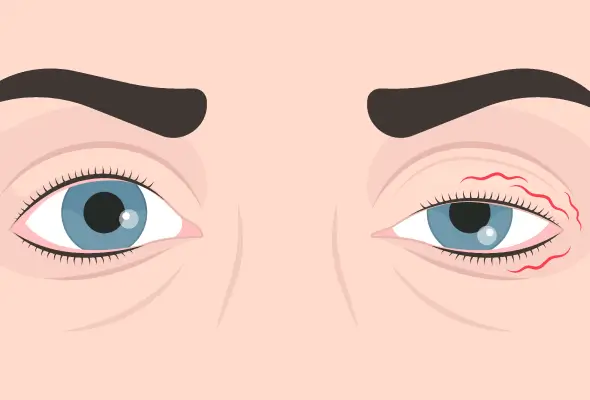
Blepharospasm: Understanding, Managing, and Improving Quality of Life
What Is Blepharospasm?
Blepharospasm, also called Benign Essential Blepharospasm (BEB), is a neurological disorder characterized by involuntary, uncontrollable spasms of the eyelid muscles. The good news? Highly effective treatments exist that significantly reduce symptoms and restore quality of life. Most people with blepharospasm experience dramatic improvement with proper management.
According to MSD Manuals, blepharospasm affects women more than men and tends to run in families. The term “benign” means it’s not life-threatening, but “essential” indicates the cause is usually unknown.
Think of blepharospasm like your eyelid muscles are stuck in “spasm mode”—sending involuntary contraction signals even when you’re not blinking intentionally. This creates excessive, uncontrollable blinking or eye closure.
Understanding Blepharospasm
Key Characteristics
| Feature | Details |
|---|---|
| Affected Area | Eyelid muscles (orbicularis oculi) |
| Pattern | Bilateral (both eyes) and usually symmetrical |
| Onset | Gradual, often starting with increased blinking |
| Typical Age | Usually 40-70 years, but can occur at any age |
| Gender Ratio | 2-3 times more common in women [web:178] |
| Genetic Component | Often runs in families |
| Cause | Unknown in most cases (idiopathic) |
Symptom Progression
Early Stage:
Increased blinking
Eye irritation or gritty sensation
Light sensitivity (photophobia)
Mild involuntary twitching
Progressive Stage:
Frequent, forceful eyelid spasms
Prolonged eye closure
Difficulty performing daily activities
Increased severity with stress or fatigue
Severe Stage (Without Treatment):
Involuntary eye closure lasting seconds to minutes
Functional blindness (vision blocked by closed eyelids)
Severe impact on work and daily functioning
Possible need to hold eyelids open manually
Symptoms and Triggers
Common Symptoms
According to Blue Fin Vision, blepharospasm symptoms include:
✓ Motor Symptoms:
Excessive, uncontrollable blinking
Eyelid twitching or fluttering
Involuntary closure of the eyes
Facial spasms (in some cases)
Brow ptosis (drooping)
✓ Sensory Symptoms:
Eye irritation or foreign body sensation
Dry eye symptoms
Light sensitivity (photophobia)
Eye discomfort
Common Triggers
Symptoms often worsen with:
Fatigue or exhaustion
Bright light (reason for sunglasses use)
Stress and anxiety
Screen time (computer, phone)
Wind or drafts
Dry eye conditions
Emotional upset
Simple Relief Maneuvers
According to MSD Manuals, mild blepharospasm may be relieved by:
Singing or humming
Chewing gum
Touching or pulling eyelid gently
Concentration on specific tasks
Relaxation techniques
These work by providing sensory input that interrupts the spasm reflex.
Blepharospasm vs. Hemifacial Spasm: Know the Difference
Patients often confuse these two conditions. Understanding the difference is important for proper treatment.
| Feature | Blepharospasm | Hemifacial Spasm |
|---|---|---|
| Affected Area | Eyelids (both sides, symmetrical) | One side of face |
| Muscle Pattern | Orbicularis oculi primarily | Facial nerve-controlled muscles |
| Onset Pattern | Often starts at eyes | Often starts at eye, spreads |
| Symmetry | Bilateral and synchronous | Usually unilateral |
| Cause | Unknown (idiopathic) | Often vascular nerve compression |
| Treatment Response | Botulinum toxin very effective | Similar but nerve compression factor |
| Progression | Usually stays in eye area | Can spread to other face areas |
According to research, some patients rarely develop both conditions, though they are distinct entities.
Causes and Associated Conditions
Primary Blepharospasm (Most Common)
Idiopathic (Unknown Cause):
Accounts for majority of cases
Likely involves abnormal basal ganglia signaling
Thought to involve dysfunction in the brain’s movement control system
Secondary Blepharospasm (Less Common)
According to MSD Manuals, blepharospasm can be associated with:
Eye conditions: Trichiasis, foreign body, dry eye
Neurological disorders: Parkinson’s disease
Dental procedures: Can precipitate onset
Brainstem or basal ganglia lesions: Structural brain abnormalities
Bell’s palsy aftermath: Following facial nerve paralysis recovery
Getting Diagnosed
Clinical Evaluation
Your doctor will:
Ask about symptom onset and progression
Perform eye examination
Assess for triggers and patterns
Check for related neurological conditions
Rule out eye diseases causing symptoms
Assessment Tools
Doctors use standardized scales to measure severity:
| Jankovic Rating Scale | What It Measures |
|---|---|
| Severity Score (0-4) | How forceful/intense the spasms are |
| Frequency Score (0-4) | How often spasms occur (from rare to constant) |
| Myerson’s Maneuver | Ability to inhibit reflex blinking (glabella tap reflex) |
Diagnostic Tests (If Needed)
MRI of brain: Rules out structural abnormalities
Neurological examination: Checks for other movement disorders
Blink reflex testing: Assesses reflexive blinking patterns
Treatment Options
First-Line Treatment: Botulinum Toxin (Botox)
According to PMC/NIH research, botulinum toxin is the gold standard treatment for blepharospasm.
How It Works:
Injected directly into eyelid muscles
Blocks nerve signals causing muscle contraction
Paralyzes targeted muscles temporarily
Results in reduced or eliminated spasms
Effectiveness:
Full response typically within 48 hours
Peak effect at 1-2 weeks
Duration: average 90 days [web:175]
May last up to 170 days in some patients [web:175]
Repeat Treatment:
Usually required every 3 months
Most patients become symptomatic by 90 days
Long-term treatment safe and effective
Response and duration dose-dependent
Advantages:
Non-invasive
Highly effective
Few side effects
Quick procedure (minutes)
Can be repeated indefinitely
Medications (Adjunctive Treatment)
According to NCBI, oral medications have limited effectiveness but may help:
Benzodiazepines: Reduce anxiety-related spasms
Anticholinergics: Benztropine, trihexyphenidyl
Baclofen: Muscle relaxant
Levodopa: For Parkinson’s-associated blepharospasm
Botulinum adjuncts: Combined with injections for resistant cases
Limitations:
Side effects (drowsiness, dependence potential)
Limited efficacy compared to botulinum toxin
Rarely used as primary treatment
Lifestyle and Supportive Measures
Symptom Management:
Sunglasses: Reduce light sensitivity and spasm triggers
Screen time breaks: Reduce fatigue-related worsening
Stress management: Meditation, relaxation techniques
Anxiety reduction: Addressing emotional triggers
Sleep optimization: Adequate rest important
Surgical Treatment (For Refractory Cases)
According to PMC/NIH research, surgery is reserved for severe, botulinum-resistant cases:
Surgical Options:
| Procedure | Details |
|---|---|
| Modified Myectomy | Partial removal of orbicularis oculi muscle |
| Anderson’s Method | Most commonly used surgical approach [web:174] |
| Neurectomy | Nerve resection for severe cases |
Surgical Outcomes:
Permanent symptom relief possible
Complications minimal with proper technique
About half of surgical patients need lower-dose botulinum toxin after 5 years
When Surgery Considered:
Failure of botulinum toxin therapy (refractory cases)
Intolerance to botulinum toxin
Severe functional disability
Patient preference for permanent solution
Neuroplasticity and Rehabilitation Approaches
Recent approaches include specialized movement therapy:
Neuroplasticity-based exercises
Movement re-education
Meditation and mindfulness
Complementary rehabilitation protocols
Personalized approaches for treatment-resistant patients
Quality of Life and Psychosocial Impact
Impact on Daily Activities
According to research on quality of life, patients report:
Most Affected Areas:
Activities of Daily Living (ADL): Reading, driving, watching screens
Stigma and Appearance: Visible facial symptoms cause emotional distress
Work Performance: Reduced productivity, difficulty with sustained tasks
Social Interactions: Avoidance, embarrassment, isolation risk
Better-Managed Areas:
Pain (usually minimal)
Emotional state (improves with treatment)
Social/family life (improves with symptom control)
Psychological Factors
Research shows that perceptions and mood significantly impact quality of life more than clinical severity:
Appearance concerns
Emotional responses to symptoms
Perceived consequences
Depression and anxiety prevalence
Support system availability
Support Resources
Dystonia Society: Patient advocacy and support
Blepharospasm support groups: Online and in-person
Mental health services: Counseling for adjustment
Occupational therapy: Adaptive strategies for daily activities
Frequently Asked Questions
Yes, untreated blepharospasm typically progresses. Starting with mild twitching, it can advance to frequent eye closure affecting daily life. Early treatment with botulinum toxin prevents progression and maintains quality of life.
Yes. Decades of use show botulinum toxin is safe for long-term blepharospasm treatment. Most patients receive injections indefinitely with excellent safety records. Some resistance develops (5-10%), but this is manageable.
Costs vary by region and healthcare system. Ask your eye care provider about costs and insurance coverage. Many insurance plans cover botulinum toxin for blepharospasm as it’s a recognized medical condition.
Currently, no cure exists. However, treatments are highly effective at managing symptoms. With proper treatment, most people achieve near-complete symptom control and return to normal activities.
No. While severe untreated blepharospasm causes functional blindness (eyes shut), this is reversible with treatment. The eye structures themselves are not damaged, unlike true blindness from eye disease.
Avoid excessive screen time, bright light exposure, and stress when possible. Most people continue normal activities with treatment. Adjustments (sunglasses, breaks) help manage symptoms.
The reason for female predominance isn’t fully understood. Hormonal factors and genetic predisposition may play roles. Women are 2-3 times more likely to develop blepharospasm.
Yes. Some patients have associated dystonia of the lower face, jaw, or neck. Rarely, blepharospasm coexists with hemifacial spasm. Medical evaluation identifies associated conditions.
Your Next Steps with NeuroLogic Neurocare
Dr. Mohammed Imran Khan specializes in diagnosing and treating dystonia disorders including blepharospasm. Proper diagnosis and treatment initiation can dramatically improve your quality of life.
Quick Links:
Blepharospasm is treatable. With proper diagnosis and management, most people experience dramatic symptom improvement and return to normal activities. Contact NeuroLogic Neurocare today to get a comprehensive evaluation and start your journey toward relief. Your quality of life can be restored.
Disclaimer:
This article is for educational purposes only and is not a substitute for professional medical advice, diagnosis, or treatment. If you’re experiencing involuntary eye spasms or excessive blinking, consult a qualified ophthalmologist or neurologist for proper evaluation and personalized treatment recommendations. Always discuss your symptoms and treatment options with your healthcare provider.