Cervical Dystonia
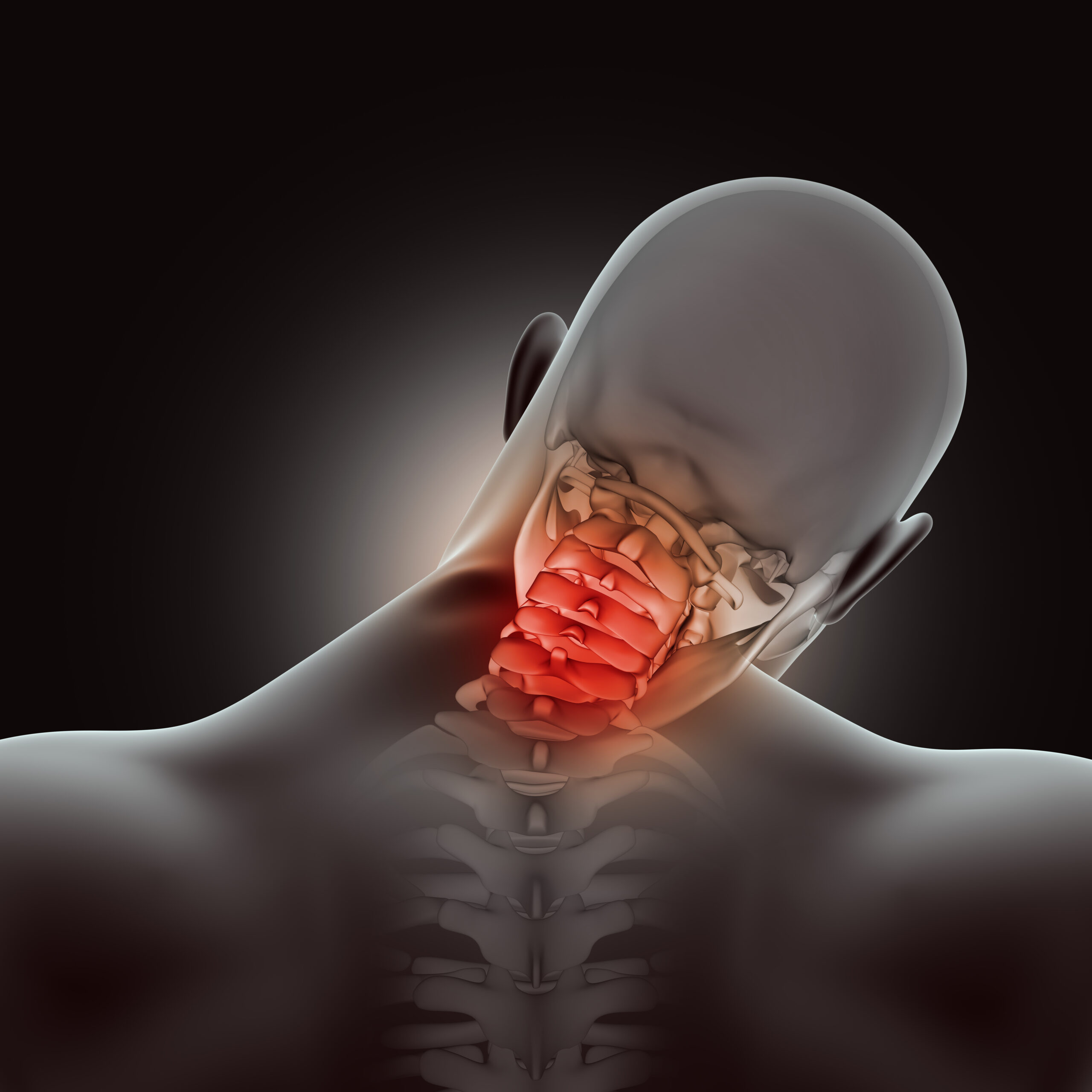
Cervical Dystonia: Understanding, Managing, and Restoring Quality of Life
What Is Cervical Dystonia?
Cervical dystonia (also called spasmodic torticollis) is a neurological disorder characterized by involuntary, sustained muscle contractions in the neck causing abnormal postures and movements. The good news? Highly effective treatments exist that significantly reduce symptoms and dramatically improve quality of life. Most people with cervical dystonia experience substantial improvement with proper management.
According to MSD Manuals, cervical dystonia is the most common form of dystonia encountered in movement disorder clinics. While it’s a chronic condition, it’s not life-threatening and responds very well to treatment.
Think of cervical dystonia like your neck muscles are stuck in an uncontrollable tension mode, pulling your head into abnormal positions. The contractions are involuntary—you can’t control them despite trying—and they often cause significant pain and disability.
Understanding Cervical Dystonia
Key Characteristics
| Feature | Details |
|---|---|
| Most Common Site | Neck muscles (most common dystonia location) |
| Onset Age | Usually 30-50 years old, but can occur at any age |
| Gender Ratio | Affects men and women equally |
| Pattern | Involuntary muscle contractions, sustained or intermittent |
| Associated Pain | Significant pain in 70-80% of patients |
| Duration | Chronic (lasting weeks to years or lifelong) |
| Cause | Unknown in most cases (idiopathic) |
Movement Patterns
Cervical dystonia can present in different ways depending on which muscles are affected:
| Movement Type | What Happens | Medical Term |
|---|---|---|
| Head Rotation | Neck twists to one side | Torticollis |
| Head Tilt | Ear tilts toward shoulder | Laterocollis |
| Forward Bend | Head bends forward | Anterocollis |
| Backward Bend | Head bends backward | Retrocollis |
| Combined | Multiple movements together | Complex movements |
Many patients have a combination of these movements, and the pattern can change over time.
Symptoms and Their Impact
Motor Symptoms
According to NCBI StatPearls, cervical dystonia causes:
✓ Involuntary Neck Movements:
Sustained head posturing (constant abnormal position)
Jerking or tremor-like head movements
Periodic spasms (intermittent muscle contractions)
Difficulty maintaining a normal head position
✓ Functional Difficulties:
Restricted head movement
Tremor in the head or jaw
Neck stiffness and rigidity
Difficulty walking (peripheral vision affected by head position)
Pain and Associated Symptoms
MSD Manuals reports significant pain in cervical dystonia:
Neck pain – Unilateral, often radiating to shoulder
Muscle stiffness and tension
Headaches – Frequent in many patients
Shoulder pain – Secondary to abnormal posturing
Headache radiating to back of head and neck
Quality of Life Impact
Research shows cervical dystonia significantly impacts daily functioning:
Most Affected Areas:
Activities of daily living (ADL)
Work and employment
Social interactions
Emotional well-being (stigma, depression, anxiety)
Sleep quality
Psychosocial functioning
Key Challenges:
Stigma is the worst-rated quality of life domain (mean score 50.4)
Visible symptoms cause embarrassment
Social withdrawal and isolation risk
Psychological impact significant
Diagnosis: Why Early Recognition Matters
Clinical Evaluation
According to research, diagnosis of cervical dystonia is straightforward, yet many patients experience delayed diagnosis averaging 5+ years after symptom onset.
Diagnostic Process:
Symptom history and timeline
Neurological examination
Observation of posture and movements
Assessment for relieving factors (sensory tricks)
Physical examination of neck and shoulder
Delayed Diagnosis Problem
Surprisingly, 89% of cervical dystonia patients see at least one neurologist before diagnosis, and 36% see at least two. This indicates poor recognition of cervical dystonia even among neurologists.
Reasons for Delayed Diagnosis:
Different presentations confuse providers
Pain often attributed to musculoskeletal causes
MRI may show unrelated spine abnormalities
Confusion with other movement disorders
Diagnostic Testing
| Test | Purpose |
|---|---|
| Clinical Exam | Primary diagnostic tool—observe movements, test reflexes |
| EMG (Electromyography) | Identifies overactive neck muscles |
| Brain MRI | Rules out secondary causes (brain lesions) |
| Cervical Spine Imaging | Rules out structural spine abnormalities causing symptoms |
| Genetic Testing | Only for suspected genetic forms (rare) |
Causes: Primary and Secondary
Primary Cervical Dystonia (Most Common)
According to MSD Manuals, cause is unknown (idiopathic) in most cases. Some research suggests:
Abnormal basal ganglia function – Movement control disorder
Genetic predisposition – Family history in 15-20% of cases
Stress and emotional factors – May exacerbate symptoms, rarely the cause
Secondary Cervical Dystonia (Rare)
Can result from:
Medications (dopamine antagonists like antipsychotics)
Neurological disorders (brain injury, stroke)
Basal ganglia lesions
Wilson’s disease
Tardive dystonia (medication-induced)
Triggering Factors (Make Symptoms Worse)
Physical trauma or whiplash
Emotional stress
Fatigue
Specific activities (writing, computer work)
Treatment: Multiple Effective Options
First-Line Treatment: Botulinum Toxin
According to recent comprehensive review, botulinum toxin is the gold standard, first-line treatment for cervical dystonia.
How It Works:
Injected into overactive neck muscles
Blocks nerve signals causing muscle contraction
Results in muscle relaxation and reduced dystonia
Effectiveness:
Symptom improvement in nearly all patients
Significant pain reduction (80-90% improvement)
Improved quality of life in multiple domains
Effects typically last 12-16 weeks
Treatment Optimization:
According to British Neurotoxin Network recommendations:
Electromyography (EMG) or ultrasound guidance improves accuracy
Individualized dosing and muscle selection crucial
Optimal interval between injections: 12 weeks
~80% positive response rate with proper technique
Immunoresistance (When It Stops Working):
Affects ~5-10% of patients over years
Can switch to alternative botulinum toxin (Type B)
“Toxin holiday” (12-18 months off) may restore effectiveness
Deep brain stimulation considered for resistant cases
Oral Medications
According to expert recommendations, medications have limited effectiveness but help selected patients:
| Medication | Typical Dose | Effectiveness |
|---|---|---|
| Trihexyphenidyl | Up to 6 mg/day | Anticholinergic; helps 20-30% patients |
| Benzodiazepines | Variable | Short-term anxiety/spasm relief |
| Baclofen | Variable | Muscle relaxant; limited data |
| Levodopa | Variable | For Parkinson’s-associated dystonia |
Anticholinergics Considerations:
Require gradual dose escalation over months
Best for patients with poor botulinum toxin response
Annual review of continued need recommended
Physical Therapy and Rehabilitation
Research shows physiotherapy significantly improves outcomes:
Evidence-Based Approaches:
Massage and stretching
Postural re-education and correction
Muscle strengthening (especially axial muscles)
Biofeedback and sensory retraining
Movement retraining for symmetrical control
Optimal Exercise Program:
Cardiovascular: 10,000 steps/day walking
Large muscle groups: 3x weekly (hips, legs, back, shoulders)
Core/neck specifics: 3x weekly (small muscle focus)
Stretches: Hold 60 seconds with slow movement
Awareness: Slow, conscious movement retrains nervous system
Stress Reduction Techniques:
Tai Chi and Feldenkrais
Yoga and meditation
Progressive muscle relaxation
Breathing exercises
Deep Brain Stimulation (DBS)
For severe, refractory cervical dystonia:
Neurosurgical implantation of electrodes (globus pallidus interna, GPi)
Produces electrical stimulation to reduce dystonia
Considered when:
Botulinum toxin fails
Immunoresistance develops
Quality of life severely impaired
Severe symptoms despite optimization
Advantages: Potentially permanent improvement
Disadvantages: Surgical risks, potential cognitive effects (bradykinesia, freezing gait with high-frequency stimulation)
Surgical Denervation (Rare)
Peripheral denervation or myectomy considered in rare cases:
Non-responsive to all other treatments
Significant disability
Good baseline botulinum toxin response previously
Limited use in modern practice (DBS preferred)
Holistic Management Approach
Comprehensive Care Strategy
According to British Neurotoxin Network, optimal management includes:
Pharmacological:
Optimized botulinum toxin injections
Oral medications when indicated
Management of pain and anxiety
Rehabilitative:
Regular physiotherapy
Exercise and movement retraining
Stress reduction techniques
Daily practice of management strategies
Psychological:
Counseling for emotional impact
Addressing stigma and depression
Stress management support
Support groups
Frequently Asked Questions
Studies show diagnosis can take 5+ years from symptom onset. However, with proper neurological evaluation, diagnosis can be made within minutes. Seeing a movement disorders specialist accelerates diagnosis significantly.
Cervical dystonia typically develops gradually over months to years, then stabilizes. Without treatment, symptoms progress to more severe disability. With treatment, most patients maintain or improve their function over decades.
No. Cervical dystonia is not life-threatening, though it causes significant disability and suffering. Approximately 90% of people experience torticollis at some point, though only some develop persistent cervical dystonia.
Nearly all patients improve with botulinum toxin; approximately 80% have significant benefit. Pain improvement is especially significant, with 80-90% experiencing substantial pain reduction.
Early diagnosis allows prompt treatment, preventing progression to severe disability and pain. Early management improves long-term outcomes and quality of life. Psychological impact lessens with timely intervention.
Stress doesn’t cause cervical dystonia, but exacerbates symptoms. Stress management and relaxation techniques significantly improve symptom control. Underlying neurological dysfunction is the primary cause.
Effects typically appear within 3-7 days, peak at 2 weeks, and last 12-16 weeks (average). Duration varies individually; some patients benefit for up to 20 weeks.
Your Next Steps with NeuroLogic Neurocare
Dr. Mohammed Imran Khan specializes in diagnosing and treating cervical dystonia and other movement disorders. Early expert evaluation can prevent years of diagnostic delay and initiate effective treatment quickly.
Quick Links:
Cervical dystonia is highly treatable. With proper diagnosis and management, most people experience dramatic symptom improvement and return to near-normal activities. Don’t spend years searching for answers. Contact NeuroLogic Neurocare today to get a definitive diagnosis and start effective treatment. Your quality of life can be dramatically improved.
Disclaimer:
This article is for educational purposes only and is not a substitute for professional medical advice, diagnosis, or treatment. If you’re experiencing involuntary neck movements or abnormal head positioning, consult a qualified neurologist for proper evaluation and personalized treatment recommendations. Always discuss your symptoms and treatment options with your healthcare provider.