Neck and Back Pain
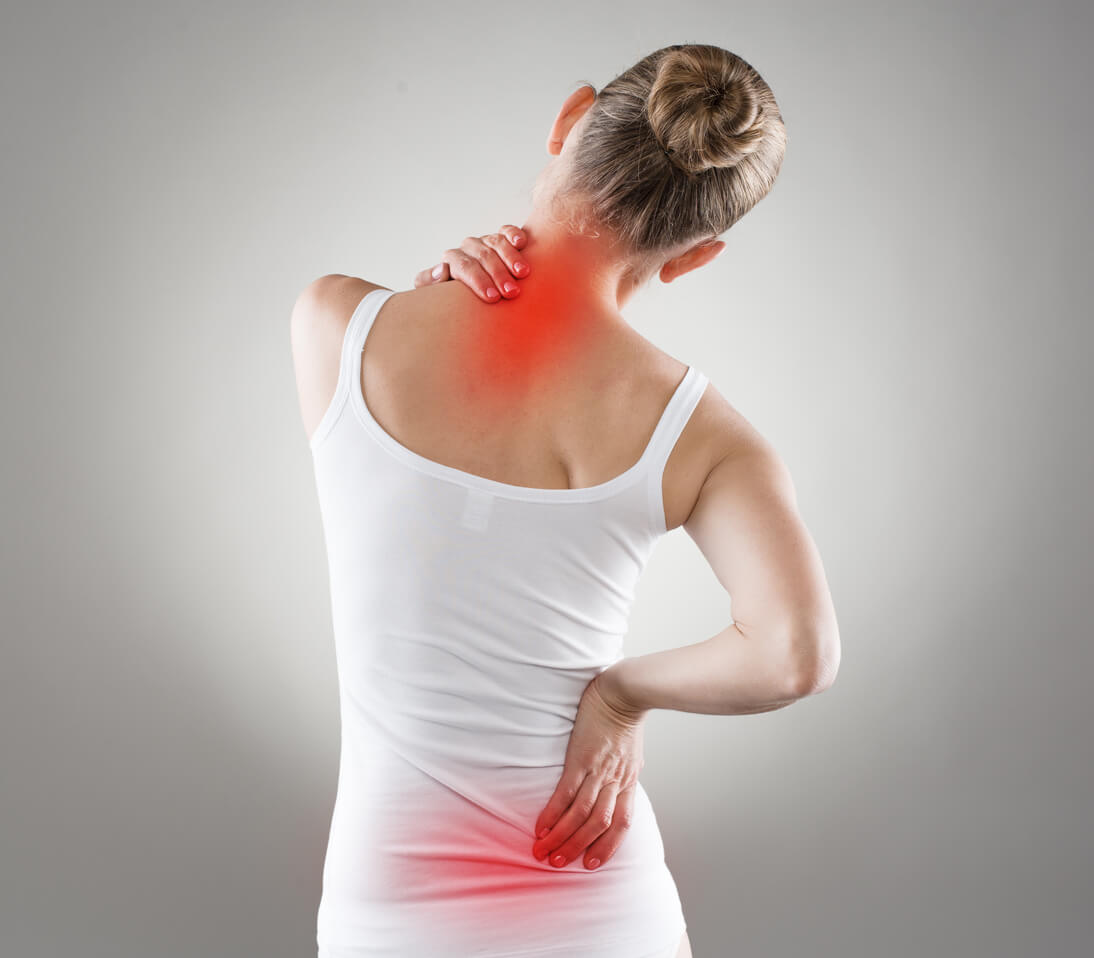
Neck and Back Pain: Understanding, Managing, and Finding Relief
What Is Neck and Back Pain?
Neck and back pain affect millions of people worldwide. The good news? Most cases improve significantly with proper management and care. With early intervention, most people experience substantial relief and return to normal activities.
Your spine is a complex structure of bones, discs, muscles, and nerves. When something goes wrong—whether from injury, poor posture, wear and tear, or strain—it can cause pain. Understanding your pain is the first step toward effective treatment.
According to research, back pain is one of the most common reasons people seek medical care, and neck pain often follows similar patterns. Both conditions can range from mild discomfort to severe pain affecting daily life.
Understanding Your Spine
Spine Structure
Your spine protects your spinal cord and supports your body. It consists of:
| Component | Function |
|---|---|
| Vertebrae | Stacked bones that form the spine structure |
| Intervertebral Discs | Soft cushions between vertebrae absorbing impact |
| Nerve Roots | Branch off from spinal cord carrying messages to body |
| Spinal Cord | Central nervous system pathway for communication |
| Muscles & Ligaments | Support and stabilize the spine |
Spine Regions
| Region | Location | Common Issues |
|---|---|---|
| Cervical Spine | Neck (7 vertebrae) | Neck pain, arm pain, radiculopathy |
| Thoracic Spine | Mid-back (12 vertebrae) | Upper back pain (less common) |
| Lumbar Spine | Lower back (5 vertebrae) | Lower back pain, sciatica |
Common Causes of Neck and Back Pain
Herniated Disc (Slipped Disc)
According to recent research, when a disc’s outer layer tears, the soft interior can bulge out and pinch a nerve.
| Feature | Details |
|---|---|
| What happens | Disc ruptures and interior bulges out |
| Common causes | Aging, sedentary lifestyle, heavy lifting, sudden injury |
| Most common location | Lower back (lumbar spine) |
| Symptoms | Sharp pain, numbness, tingling, muscle weakness |
| Symptom path | Radiates along nerve pathway (down leg or arm) |
| Treatment approach | Usually conservative (physical therapy, rest, medication) |
Spondylosis (Degenerative Disc Disease)
| Feature | Details |
|---|---|
| What it is | Age-related wear and tear of discs and joints |
| Risk factor | Natural aging process (more common over age 60) |
| Development | Gradual disc dehydration and flexibility loss |
| Symptoms | Stiffness, aching, sometimes radiating pain |
| Impact | Can cause cervical or lumbar symptoms |
Radiculopathy and Sciatica
Radiculopathy is nerve compression causing pain along the nerve pathway.
According to Mayo Clinic Health System, sciatica is specifically radiculopathy of the sciatic nerve (longest nerve in your body).
| Feature | Details |
|---|---|
| What causes it | Compression of nerve roots by disc, bone spur, or muscle |
| Most common location | L5 or S1 nerve roots in lower back |
| Typical symptom | Sharp, shooting pain along nerve pathway |
| Pain type | Sharp, burning, electric shock sensation or dull ache |
| Secondary symptoms | Numbness, tingling, muscle weakness |
| Affected area | Usually one side of body (unilateral) |
| Worse with | Coughing, sneezing, prolonged sitting |
L5 Radiculopathy: Pain runs down outside of leg
S1 Radiculopathy: Pain radiates down back of leg
Other Common Causes
✓ Poor posture – Puts strain on neck and back over time
✓ Muscle strain – From overuse, sudden movement, or poor lifting
✓ Stress and tension – Causes muscle tightness and pain
✓ Sedentary lifestyle – Weakens supporting muscles
✓ Accidents or falls – Traumatic injuries to spine
✓ Osteoporosis – Weakened bones prone to fracture
✓ Spinal stenosis – Narrowing of spinal canal compressing nerves
✓ Facet joint problems – Arthritis in spine joints
Warning Signs: When to Seek Care
When to See Your Doctor
According to NuVance Health, contact your doctor if:
✓ Pain stays localized in one area without radiation
✓ Pain is new and not improving with rest
✓ Pain persists for more than 2 weeks
✓ Pain worsens over time
When to See a Spine Specialist
| Warning Sign | Why It Matters |
|---|---|
| Radiating pain | Down arms or legs (nerve involvement) |
| Numbness/tingling | In arms, hands, legs, or feet |
| Muscle weakness | Inability to hold things, move limbs properly |
| Balance problems | Unsteadiness when standing or walking |
| Bladder/bowel changes | Loss of control (serious nerve compression) – emergency |
| Severe persistent pain | Despite self-care and over-the-counter treatment |
Emergency Signs (Seek Immediate Care)
🚨 These require urgent medical attention:
Sudden severe pain with traumatic injury
Loss of bladder or bowel control
Significant weakness or paralysis
Severe numbness in legs or genital area
Fever with severe neck pain (possible infection)
Getting Diagnosed
A spine specialist uses multiple approaches to diagnose neck and back pain:
| Assessment Method | What It Shows |
|---|---|
| Medical History | Symptoms, injury history, activities worsening pain |
| Physical Examination | Range of motion, neurological function, muscle strength |
| Imaging Tests | X-rays show bone structure |
| MRI Scan | Detailed images of discs, nerves, soft tissue |
| CT Scan | Alternative imaging, good for bone detail |
| EMG/Nerve Testing | Confirms nerve damage or compression |
Treatment: A Multi-Approach Strategy
Treatment depends on the underlying cause, severity, and your specific symptoms.
Conservative (Non-Surgical) Treatment
Most cases improve with conservative approaches first.
Physical Therapy
Research shows physical therapy is highly effective for both neck and back pain:
Strengthening Exercises:
Core stability exercises (abdominal bracing, glute bridges)
Back and neck muscle strengthening
Improves support for spine
Stretching and Flexibility:
Knee-to-chest stretches (lower back)
Hip flexor stretches
Gentle neck stretches and mobility work
Posture Training:
Proper body mechanics for daily activities
Ergonomic adjustments at work
Lifestyle Modifications
| Healthy Change | How It Helps |
|---|---|
| Proper posture | Reduces strain on neck and back muscles |
| Regular movement | Prevents stiffness, strengthens supporting muscles |
| Proper lifting | Bend knees, keep back straight, avoid twisting |
| Ergonomic setup | Desk, chair, and monitor at correct heights |
| Sleep position | Support neck with proper pillow, back support |
| Weight management | Reduces stress on spine |
| Stress reduction | Relaxed muscles hold less tension |
| Avoid smoking | Improves disc nutrition and blood flow |
Heat and Ice
According to spine specialist resources:
Heat: Relaxes muscles, improves circulation (days 3+)
Ice: Reduces inflammation (first 48 hours)
Application: 20 minutes every 2 hours as needed
Medication
Your doctor may recommend:
NSAIDs (ibuprofen, naproxen) – Reduce inflammation and pain
Muscle relaxants – Short-term muscle tension relief
Topical creams – Applied to painful area
Important: Use medications as directed; discuss side effects with your doctor.
Advanced Conservative Treatments
According to HSS specialists, additional options include:
Epidural steroid injections – Reduces inflammation around nerve
Radiofrequency ablation – Reduces nerve signals causing pain
Manual therapy – Spinal manipulation combined with exercise
When Surgery Is Considered
Surgery is reserved for cases where:
Conservative treatment fails after 6-12 weeks
There’s clear structural problem (disc herniation, stenosis)
Nerve damage is worsening
Severe weakness or paralysis develops
Common surgical procedures:
Discectomy (remove herniated disc material)
Laminectomy (enlarge nerve passageway)
Spinal fusion (stabilize vertebrae)
ACDF surgery (cervical discectomy with fusion)
Prevention: Protecting Your Spine
Daily Habits for Spine Health
✓ Maintain good posture – Reduces strain throughout day
✓ Stay active – Regular exercise strengthens supporting muscles
✓ Proper ergonomics – At desk, car, and home
✓ Lift correctly – Bend knees, keep back straight
✓ Manage weight – Reduces spine stress
✓ Avoid smoking – Improves disc health
✓ Stay hydrated – Keeps discs hydrated
✓ Strengthen core – Support your spine naturally
Multidisciplinary Approach
Recent evidence shows combining approaches works best:
Physical therapy
Psychological support (if pain is chronic)
Occupational therapy (work/activity modifications)
Lifestyle counseling
Specific Exercises for Pain Relief
For Lower Back Pain
Lie on back with knees bent
Gently pull one knee toward chest, hold 30 seconds
Release, repeat with other leg, 2x daily
Lie on back with knees bent
Tighten abs, bringing belly button toward spine
Hold briefly, release
Repeat 10 times
Kneel with knees apart, toes touching
Reach forward and sit back toward heels
Hold 30 seconds, repeat 3 times
Great for severe pain
For Neck Pain
Chin Tucks:
Sit or stand with good posture
Gently tuck chin down and back (like making double chin)
Hold 2-3 seconds, release
Repeat 10 times, 3-4 times daily
Neck Stretches:
Slowly turn head side to side
Gently tilt ear toward shoulder
Hold each position 20-30 seconds
Do 2-3 times daily
Important: Do exercises slowly and gently. Stop if pain increases. Consult a physical therapist for proper form.
Frequently Asked Questions
Most neck and back pain improves with proper treatment and time. Studies show 90% of acute back pain resolves within 3 months. Chronic pain may require ongoing management but improves with appropriate care.
Brief rest (1-2 days) helps acute pain, but prolonged bed rest worsens outcomes. Gradual, gentle activity—as tolerated—promotes healing. Physical therapy helps you progress safely.
Most neck and back pain isn’t serious. However, pain with numbness, weakness, or radiating symptoms needs professional evaluation to rule out nerve compression.
Not all pain requires imaging. Your doctor orders imaging based on symptoms and examination findings. It’s most useful when nerve compression or serious conditions are suspected.
Bad posture doesn’t cause permanent damage immediately, but over time it strains muscles and can accelerate disc wear. Good posture prevents this progression.
No. Before surgery, doctors try many options: physical therapy, injections, medications, and other interventions. Surgery is the last option after conservative treatments fail.
Timeline varies: acute strain (weeks), herniated disc (weeks to months), chronic conditions (ongoing management). Most people see improvement within 4-6 weeks of proper treatment.
Yes, partially. Exercise, good posture, proper ergonomics, weight management, and avoiding smoking significantly reduce risk. However, some causes (accidents, genetic factors) can’t be prevented.
Your Next Steps with NeuroLogic Neurocare
Dr. Mohammed Imran Khan specializes in diagnosing and treating neck and back pain, from simple muscle strain to complex nerve compression. Early evaluation and proper management prevent progression and get you back to normal activities faster.
Quick Links:
Don’t live with pain. Most people improve significantly with proper care. Reach out to NeuroLogic Neurocare today to get a comprehensive spine evaluation and personalized treatment plan. Your path to pain relief starts now.
Disclaimer:
This article is for educational purposes only and is not a substitute for professional medical advice, diagnosis, or treatment. If you’re experiencing neck or back pain, especially with numbness, weakness, or radiating symptoms, consult a qualified neurologist or spine specialist for proper evaluation and personalized care. Always discuss your symptoms and treatment options with a healthcare professional before starting any exercise program.