Treatments
Neurology Care Focused on What You Are Going Through
At NeuroLogic Neurocare, the aim is simple: to understand what you are experiencing, explain it clearly and guide you towards the right treatment at the right time.
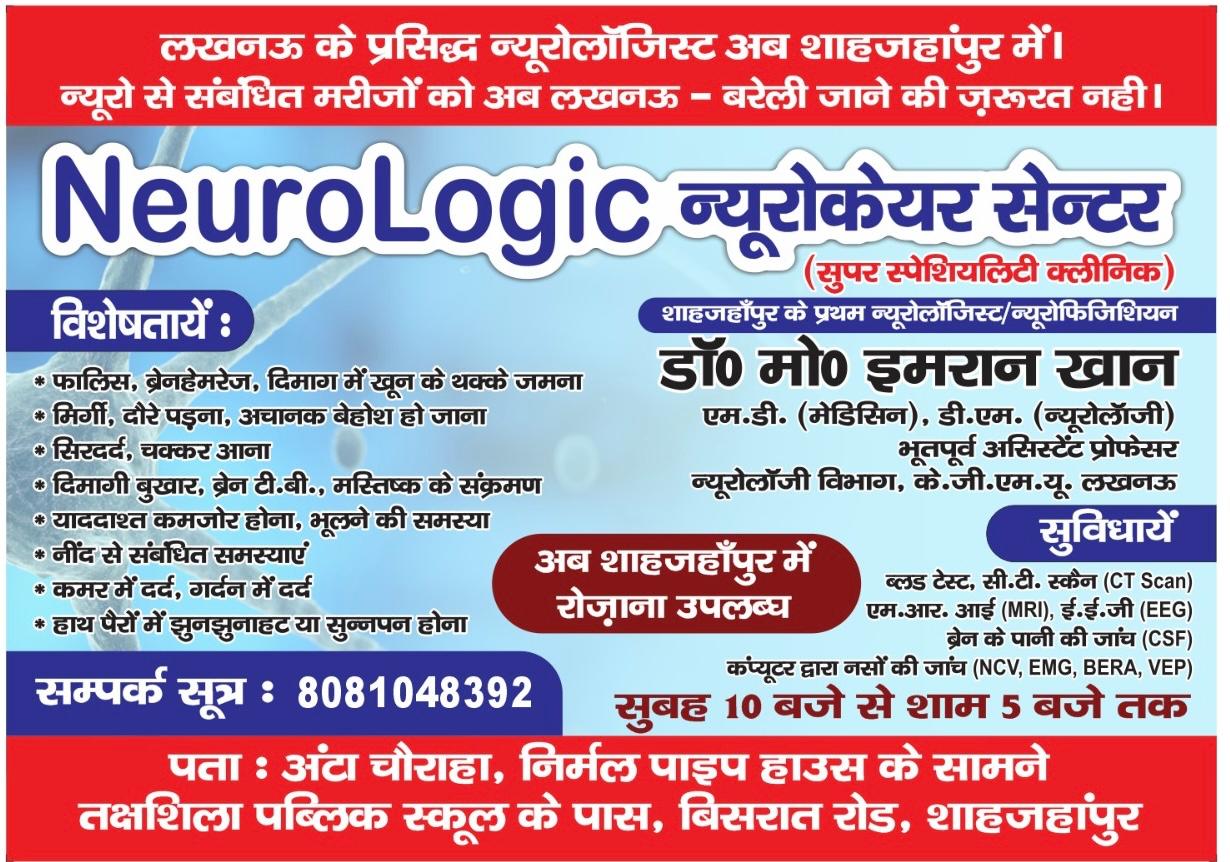
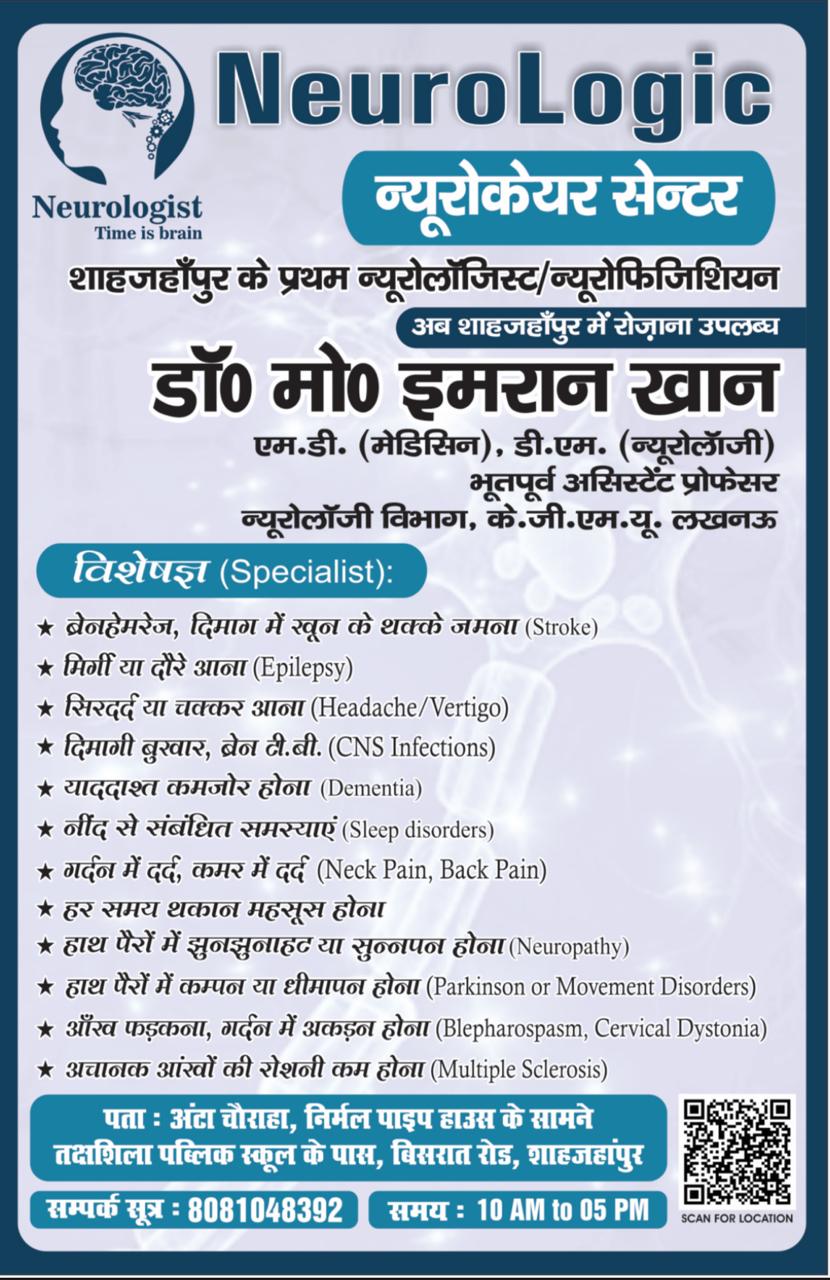
Dr. Mohd Imran Khan, Neurologist and Geriatric Neurologist in Shahjahanpur, treats a wide range of conditions affecting the brain, spine, nerves and muscles. Each patient is different, so the same diagnosis may not mean the same treatment plan for everyone. Dr. Khan takes time to listen, review your reports, examine you carefully and then suggest a plan that is practical and easy to follow.
You can always explore more about the clinic and doctor on the
Home page.
Stroke
Stroke happens when the blood supply to a part of the brain is suddenly reduced or blocked. This can cause sudden weakness, difficulty speaking, loss of vision, imbalance or facial drooping. Stroke is a medical emergency, and early treatment can make a big difference in recovery.
At NeuroLogic Neurocare, Dr. Khan focuses on both acute stroke assessment and long-term stroke care. He evaluates the cause of stroke, helps prevent further episodes, manages risk factors like blood pressure and diabetes, and guides rehabilitation to improve movement, speech and independence. Families are counselled about what to expect and how to support recovery at home.
Epilepsy
Epilepsy involves repeated seizures or “fits.” It can be frightening for patients and families, especially when it starts suddenly or in adulthood. Not every seizure means epilepsy, and not every patient needs the same medicines.
Dr. Khan carefully reviews the history, triggers, EEG and imaging (if needed) before making a diagnosis. Treatment is tailored to the type of seizure, age, lifestyle and other medical conditions. He explains how and when to take medicines, what precautions to follow and how long treatment may be needed. The goal is to keep seizures under control while allowing patients to live as normal a life as possible.
Headache and Migraine
Frequent headaches or migraines can disturb work, sleep and daily routine. Many people live with repeated pain, relying only on painkillers without proper evaluation.
Dr. Khan identifies whether the headache is migraine, tension-type, cluster headache or a sign of something more serious. He focuses on lifestyle triggers, sleep, posture, eye strain and stress, along with medicines where required. Patients are guided on how to recognise warning signs, when to seek urgent help and how to reduce attacks over time.
Vertigo (Giddiness)
Vertigo, or a spinning sensation, can make walking, turning the head or even getting out of bed difficult. It may be due to inner ear issues, nerve problems, low blood pressure, anxiety or brain causes such as stroke.
At NeuroLogic Neurocare, vertigo is approached step by step. Dr. Khan listens to how the symptoms started, checks balance and eye movements, and performs targeted tests if needed. Treatment may include medicines, simple positional exercises or further evaluation, depending on the cause. The aim is to reduce fear and restore confidence in movement.
CNS Infections
Infections of the brain and spinal cord (such as meningitis and encephalitis) can be serious and sometimes life-threatening. They often present with fever, headache, vomiting, confusion, seizures or neck stiffness.
Dr. Khan assesses such cases urgently and guides appropriate hospital or ICU care when required. Beyond the acute phase, he also helps in follow-up, managing complications like weakness, seizures or memory problems that may remain after the infection has settled.
Dementia and Memory Problems
Memory loss, confusion, personality changes or difficulty managing daily tasks can be very stressful for families. Not all memory problems are permanent or untreatable; some are related to vitamin deficiencies, medicines, mood issues or sleep problems.
As a Geriatric Neurologist, Dr. Khan evaluates memory concerns carefully, looking for reversible causes and early signs of dementia. He explains the diagnosis sensitively, discusses realistic expectations and helps families plan care, safety and support. The focus is on maintaining dignity, comfort and as much independence as possible.
Sleep Disorders
Poor sleep, difficulty falling asleep, waking too often, loud snoring, abnormal movements in sleep or feeling unrefreshed can all point to a sleep disorder. Sleep is closely linked to brain health, mood, memory and blood pressure.
Dr. Khan assesses sleep patterns, associated medical problems and lifestyle habits. Where needed, sleep studies or targeted tests may be advised. Treatment may involve sleep hygiene guidance, medication adjustments or specific therapy depending on the diagnosis.
Neck and Back Pain; Sciatica / Slipped Disc
Neck and back pain are very common and often ignored until they start affecting daily life or causing numbness, tingling or weakness in the arms or legs. Sometimes, a slipped disc or nerve compression may be responsible, especially when pain travels down the leg (sciatica).
At NeuroLogic Neurocare, Dr. Khan evaluates whether the pain is due to muscle strain, posture, disc issues, nerve problems or other spinal conditions. He advises on conservative measures like posture correction, physiotherapy, medication and when advanced imaging or surgical opinion is really necessary. The aim is to treat the cause sensibly and avoid unnecessary interventions.
Neuropathy and Myopathy
Burning, tingling, numbness, electric-shock-like sensations or loss of feeling in the feet and hands can suggest neuropathy (nerve damage). Muscle weakness, difficulty climbing stairs or lifting arms may indicate myopathy (muscle disease). Diabetes, vitamin deficiencies, medications and other conditions commonly contribute to these problems.
Dr. Khan identifies possible causes through history, examination and tests such as nerve conduction studies or blood investigations. Treatment focuses on correcting the underlying cause where possible, relieving symptoms, preventing wounds or falls, and improving function.
Parkinson’s Disease and Movement Disorders
Slowness of movement, tremors, stiffness, low voice, reduced facial expressions or difficulty turning while walking may be early signs of Parkinson’s disease or other movement disorders. These conditions often progress slowly, and early guidance can help maintain function for longer.
With special interest in movement and geriatric neurology, Dr. Khan offers long-term care plans for Parkinson’s disease and related disorders. This includes choosing the right medicines, adjusting doses over time, addressing balance issues, sleep problems and mood changes, and supporting caregivers in daily management.
Dystonias: Blepharospasm and Cervical Dystonia
Blepharospasm causes involuntary blinking or closure of the eyelids, while cervical dystonia leads to abnormal neck postures or pain due to uncontrolled muscle contractions. These conditions can be socially and physically distressing but are often under-recognised.
Dr. Khan evaluates these movement disorders carefully and discusses treatment options that may include medicines or botulinum toxin (Botox) injections in suitable cases. The focus is on reducing discomfort, improving appearance and helping patients feel more at ease in daily activities.
Multiple Sclerosis
Multiple Sclerosis (MS) is a long-term condition that affects the brain and spinal cord, causing varied symptoms such as weakness, vision problems, imbalance or numbness. Its course can be unpredictable and worrying for patients and families.
Dr. Khan works to achieve an accurate diagnosis through appropriate imaging and tests, then discusses the nature of the illness, available disease-modifying treatments and lifestyle adjustments. Regular follow-up helps track the condition and adjust treatment when needed.
Paralysis and Weakness
Paralysis or sudden weakness of a limb or one side of the body may result from stroke, spinal cord problems, nerve damage or muscle disease. It can be sudden or gradual, temporary or long-lasting.
At NeuroLogic Neurocare, such cases are handled with urgency and care. Dr. Khan identifies the likely cause, advises on hospital admission if needed, and later helps with rehabilitation planning, spasticity management and measures to prevent complications like contractures and bedsores.
A Patient-Centred Approach to Every Condition
Across all these conditions, the treatment at NeuroLogic Neurocare is not only about prescriptions and reports. Dr. Khan believes that good neurological care means:
Explaining what is happening in clear, simple language
Avoiding unnecessary tests and focusing on meaningful ones
Considering the patient’s age, family support, work and financial situation
Involving families in decisions, especially for elderly and dependent patients
Planning follow-up so that care remains consistent and reassuring
When to Seek Help and How to Reach Us
If you or someone close to you is facing symptoms like sudden weakness, seizures, severe headaches, loss of balance, memory changes, unusual movements, persistent neck or back pain, tingling, numbness or muscle weakness, it is wise not to ignore them. Early evaluation can prevent complications and bring peace of mind.
You can schedule a consultation with Dr. Mohd Imran Khan through the
Book Appointment page.
For information about clinic timings, address or any other queries, please connect via the
Contact Us page.
To know more about NeuroLogic Neurocare, Dr. Khan and the clinic’s philosophy, you may visit the
Home page.

NeuroLogic Neurocare
Consultant Neurologist
Dr. Mohd. Imran Khan
Hey, how can I help you today?
Powered by Elementor